General exercise guide
Weighted Dips
ChestDip StationAdvancedCompound
Save
Primary
Chest
Secondary
Triceps, Shoulders
Equipment
Dip Station
Difficulty
Advanced
Type
Push
See how Weighted Dips could fit a workout
The example below shows one possible placement. Your purchased plan is built from your assessment, and Ely checks every exercise before approving it.
One-time purchase · Checked by Ely · Delivered in 1–3 business days
This page is not medical advice or a rehabilitation protocol. Ely's personal review applies to purchased workout plans and does not replace an in-person assessment by a licensed healthcare professional.
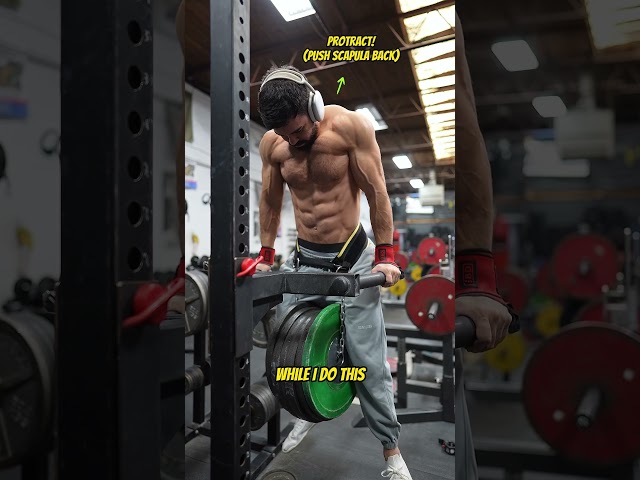
Weighted dips add progressive overload to the best bodyweight upper body exercise. Once bodyweight dips become easy, strapping on plates keeps the stimulus challenging. Few exercises build chest and triceps thickness like heavy dips.
Coaching Note
Add weight in small jumps—five pounds makes a difference on dips. The ego wants big plates; the shoulders want gradual progression. Master each weight before adding more. A controlled five-pound dip beats a sloppy 25-pound swing.
What muscles does the Weighted Dips work?
Why This Exercise Works
Weighted dips are an advanced compound pressing movement that targets your chest and triceps simultaneously with heavy loading. By adding weight to the bodyweight dip, you create progressive overload that drives muscle growth and strength gains beyond what bodyweight alone can provide.
The dip movement involves shoulder extension and elbow extension against resistance. Your pectoralis major (chest) handles the shoulder extension component — driving your body upward from the bottom position. Your triceps handle the elbow extension — straightening your arms at the top. Both muscle groups work together throughout the movement, making dips one of the most effective compound upper body exercises.
The forward lean angle determines chest versus triceps emphasis. Leaning forward approximately 30 degrees shifts the workload toward your chest by increasing the shoulder extension demand. Staying more upright emphasizes your triceps because elbow extension becomes the primary movement. For chest development, maintain that forward lean throughout every rep.
Your anterior deltoids assist throughout the movement but especially at the bottom position where shoulder extension begins. Your core muscles activate intensely to stabilize your body and prevent swinging. This total body demand is why weighted dips are so effective for building functional upper body strength.
The loading method matters for performance. A dip belt with weight plates is the most stable option and allows heaviest loading. Holding a dumbbell between your feet works but becomes awkward with heavier weights. Weighted vests distribute weight evenly but limit maximum loading. For serious strength work, invest in a quality dip belt.
Weighted dips have an excellent strength-to-muscle transfer. The pushing pattern directly carries over to bench press and overhead press performance. Many powerlifters use weighted dips as a primary assistance exercise because the movement pattern reinforces pressing mechanics while building chest and tricep mass.
The depth of your dip affects muscle recruitment and joint stress. Going until your upper arms are parallel to the floor maximizes muscle activation while protecting your shoulders. Going deeper increases stretch but also increases shoulder joint stress. For most lifters, parallel depth provides the best balance of stimulus and safety.
Want Ely to consider Weighted Dips for your plan?
Share your training details. Ely reviews the full week before anything is delivered.
Step-by-step: Weighted Dips
- 1
Attach a weight belt with plates or hold a dumbbell between your feet.
- 2
Grip the parallel bars and lift yourself up.
- 3
Lean forward about 30 degrees for chest emphasis.
- 4
Lower your body by bending your elbows.
- 5
Go until your upper arms are parallel to the floor.
- 6
Push back up to the starting position.
What are the best tips for the Weighted Dips?
Master bodyweight dips first.
Start with light added weight.
Maintain the forward lean.
Control the descent.
When to Use the Weighted Dips
Place weighted dips early in your workout when you are fresh—this is a strength movement that deserves respect. Use as your primary pressing movement or as heavy accessory work after bench press. Rest fully between sets; this is not circuit training.
What are common Weighted Dips mistakes to avoid?
Adding too much weight too soon.
Not leaning forward enough.
Going too deep which places excessive stress on joints.
Who should do the Weighted Dips?
Advanced lifters seeking to maximize strength gains.
Programming examples for Weighted Dips
The sets, reps, and rest times below are examples. Adjust them for your current ability, the exercise, and your total training. These ranges are not exclusive to one goal.
Example: 3-4 sets of 6-10 reps. Rest 2-3min.
Muscle Growth
6-10 reps
Example rest: 90s-2min; extend as needed
Strength
4-6 reps
Example rest: 2-3min; extend as needed
Endurance
10-12 reps
Example rest: 60s; extend as needed
Where to Use in Your Workout
Early in upper body workouts as a primary pressing movement, or after bench press as a secondary compound exercise.
Sample Workout Blocks
Workout: Upper Body Push (Day 1)
1. Barbell Bench Press: 4 sets × 5 reps
2. Weighted Dips: 4 sets × 6 reps
3. Incline Dumbbell Press: 3 sets × 8 reps
4. Tricep Pushdown: 3 sets × 10 reps
5. Cable Fly: 3 sets × 12 reps

Rest 2-3 minutes between weighted dip sets. This workout uses dips as a secondary compound to complement bench pressing.
Want help choosing exercises, sets, and reps for your schedule? Ely reviews purchased plans before delivery.
Get Your Custom PlanWhere Weighted Dips fits in your workout
This is one example of how Weighted Dips could sit inside a complete workout. Your plan may use different movements after Ely checks your assessment.
Sample workout
- Bench Press4 × 8
- Incline Dumbbell Press3 × 10
- Weighted Dips3 × 12
- Triceps Pushdown3 × 12
Use this exercise in Gym Mode
MySetPlan guides you set by set, times your rest, records your work, and tells you what to do next from the plan Ely approved.
Start My $19 WeekWhat are good alternatives to the Weighted Dips?
Other Variations
- Heavy Weighted Dips
- Tempo Weighted Dips
Variation Details
Bodyweight Dips
The same movement without added weight. Master bodyweight dips for 12-15 reps before adding weight. Returns to this when deloading or when equipment is unavailable.
Decline Bench Press
A barbell pressing movement that targets similar muscles. Allows more precise loading than weighted dips and doesn't require a dip station.
Assisted Dips
Use an assisted dip machine or resistance band to reduce bodyweight. For building up to bodyweight dips before progressing to weighted versions.
Ring Dips
Perform dips on gymnastics rings instead of parallel bars. Extremely challenging due to instability. Advanced progression after mastering weighted bar dips.
Weighted Dips vs Other Exercises
Weighted dips add progressive overload for continued strength gains. Bodyweight dips are excellent for endurance and learning the movement. Progress to weighted dips when bodyweight becomes easy for 12+ reps.
Both target lower chest and triceps effectively. Weighted dips are more functional and require more stabilization. Decline press allows more precise loading and is easier to set up. Both are valuable.
Want a plan you do not have to piece together?
Share your goal, schedule, equipment, and experience. Ely checks the complete exercise selection before he approves your week.
Start My $19 Starter Week$19 once · No automatic renewal · Delivered in 1–3 business days
Related Content
Safety Notes
- Master bodyweight dips first.
- Progress weight slowly.