Content updated September 2026
Incline Dumbbell Press
Save
Primary
Chest
Secondary
Shoulders, Triceps
Equipment
Dumbbell
Difficulty
Beginner
Type
Push
See how Incline Dumbbell Press could fit a workout
The example below shows one possible placement. Your purchased plan is built from your assessment, and Ely checks every exercise before approving it.
One-time purchase · Checked by Ely · Delivered in 1–3 business days
This page is not medical advice or a rehabilitation protocol. Ely's personal review applies to purchased workout plans and does not replace an in-person assessment by a licensed healthcare professional.
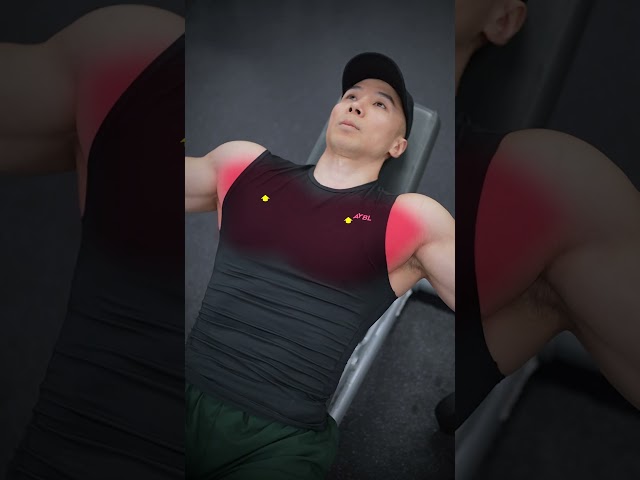
Incline dumbbell press targets your upper chest by pressing at an angle. Each arm moves independently, building balance and allowing greater range of motion than barbells. The 30-45 degree angle hits clavicular pec fibers while keeping shoulder stress manageable.
Coaching Note
Set the bench lower than you think—30-35 degrees hits upper chest; steeper angles become shoulder pressing. Bring the dumbbells together at the top for peak contraction. Touch the outer edges of your upper chest at the bottom.
Muscles worked: Incline Dumbbell Press
Why This Exercise Works
The incline dumbbell press shifts primary emphasis to the clavicular head (upper portion) of the pectoralis major by changing the pressing angle from horizontal to roughly 30-45 degrees above flat. The clavicular head originates from the collarbone and its fibers run at a downward angle — an incline pressing angle aligns the resistance more directly against these upper fibers, forcing them to bear a greater share of the load.
EMG research consistently shows that incline angles between 30-45 degrees produce the highest upper chest activation. Steeper angles (above 45 degrees) shift the primary load to the anterior deltoids — effectively turning it into a seated shoulder press. This distinction matters: most gym benches at the second notch are around 30-35 degrees, which is the sweet spot. Dr. Brad Schoenfeld's research on regional hypertrophy supports training muscles from multiple angles to maximize fiber recruitment across the entire pec.
Dumbbells add three advantages over barbell incline pressing. First, each arm moves independently through its natural arc, which recruits more stabilizer muscles including the rotator cuff and serratus anterior. Second, you achieve a greater range of motion — dumbbells can descend deeper than a barbell since there is no bar hitting your chest. Third, you can bring the dumbbells together at the top, creating peak contraction and adduction of the humerus that a fixed barbell cannot replicate. Jeff Nippard has highlighted this adduction component as a key advantage for maximizing chest fiber recruitment.
The anterior deltoids work as significant synergists throughout the movement, with their contribution increasing as the incline angle steepens. The triceps activate progressively through the pressing phase, peaking during lockout. Your core braces isometrically to stabilize your torso, and the rotator cuff muscles work continuously to keep the humeral head centered in the shoulder socket under independently moving loads.
Want Ely to consider Incline Dumbbell Press for your plan?
Share your training details. Ely reviews the full week before anything is delivered.
Incline Dumbbell Press form guide
- 1
Set an adjustable bench to 30-45 degrees.
- 2
Sit with dumbbells on your thighs.
- 3
Kick up and lie back, positioning dumbbells at shoulder height.
- 4
Press the dumbbells up and slightly together.
- 5
Lower with control to chest level.
- 6
Keep your shoulder blades squeezed back.
What are the best tips for the Incline Dumbbell Press?
Bring dumbbells together at the top.
Lower to the sides of your upper chest.
Keep a slight arch in your upper back.
Control the weights throughout the movement.
When to Use the Incline Dumbbell Press
Use incline dumbbell press as your primary upper chest movement or after barbell incline for additional volume. Works well paired with flat pressing in the same session. The independent arms help fix asymmetry between sides.
What are common Incline Dumbbell Press mistakes to avoid?
Bench angle too steep.
Letting dumbbells drift too wide.
Not controlling the descent.
Shoulder blades not retracted.
Is the Incline Dumbbell Press right for you?
Lifters targeting upper chest with dumbbell benefits. Those who want greater range of motion than barbell incline. Anyone fixing pressing imbalances.
Programming examples for Incline Dumbbell Press
The sets, reps, and rest times below are examples. Adjust them for your current ability, the exercise, and your total training. These ranges are not exclusive to one goal.
Example: 3-4 sets of 8-12 reps. Rest 90s-2min.
Muscle Growth
8-12 reps
Example rest: 90s-2min; extend as needed
Strength
6-8 reps
Example rest: 2-3min; extend as needed
Endurance
12-15 reps
Example rest: 60s; extend as needed
Where to Use in Your Workout
Use as your primary upper chest press or after barbell incline for additional volume with greater ROM. Pair with flat pressing and a fly variation for complete chest coverage. Follow with cable work or lateral raises.
Sample Workout Blocks
Hypertrophy: 3x10-12 @ RPE 7-8 (90s rest) | Strength: 4x6-8 @ RPE 8 (2 min rest) | Week 1-3 progress load or reps, Week 4 deload at 60%
Want help choosing exercises, sets, and reps for your schedule? Ely reviews purchased plans before delivery.
Get Your Custom PlanWhere Incline Dumbbell Press fits in your workout
This is one example of how Incline Dumbbell Press could sit inside a complete workout. Your plan may use different movements after Ely checks your assessment.
Sample workout
- Bench Press4 × 8
- Incline Dumbbell Press3 × 10
- Incline Dumbbell Press3 × 12
- Triceps Pushdown3 × 12
Use this exercise in Gym Mode
MySetPlan guides you set by set, times your rest, records your work, and tells you what to do next from the plan Ely approved.
Start My $19 WeekWhat are good alternatives to the Incline Dumbbell Press?
Other Variations
- Neutral Grip Incline Press
- Single-Arm Incline Press
Variation Details
Incline Barbell Bench Press
Use a barbell instead of dumbbells. Allows heavier weight but less range of motion.
Low-to-High Cable Fly
Cable isolation for upper chest. Great for finishing your workout.
Dumbbell Bench Press
Flat version that works your whole chest. Good to pair with incline work.
Push-Up
Bodyweight pressing. Elevate your feet to emphasize upper chest like incline.
Incline Dumbbell Press vs Other Exercises
Barbell incline allows heavier loading and easier progressive overload. Dumbbell incline provides greater range of motion and fixes side-to-side imbalances. Use barbell for strength blocks, dumbbells for hypertrophy blocks. Both are excellent upper chest builders.
Cable flyes isolate the upper chest without tricep involvement and maintain constant tension. Incline dumbbell press is a compound movement that handles heavier loads. Use incline press as your primary builder, cable flyes as a finishing movement for additional upper chest volume.
Flat bench targets mid-chest primarily. Incline dumbbell press shifts emphasis to upper chest with independent arm movement. Use both in the same session — flat for overall chest strength, incline for upper chest development and balanced pressing.
Want a plan you do not have to piece together?
Share your goal, schedule, equipment, and experience. Ely checks the complete exercise selection before he approves your week.
Start My $19 Starter Week$19 once · No automatic renewal · Delivered in 1–3 business days
Related Content
Safety Notes
- Control the weights.
- Use a spotter for heavy sets.