General exercise guide
Bodyweight Squat
Save
Primary
Quadriceps
Secondary
Glutes, Hamstrings, Calves
Equipment
Bodyweight
Difficulty
Beginner
Type
Squat
See how Bodyweight Squat could fit a workout
The example below shows one possible placement. Your purchased plan is built from your assessment, and Ely checks every exercise before approving it.
One-time purchase · Checked by Ely · Delivered in 1–3 business days
This page is not medical advice or a rehabilitation protocol. Ely's personal review applies to purchased workout plans and does not replace an in-person assessment by a licensed healthcare professional.
The bodyweight squat is the foundation of all squatting—mastering this pattern with perfect form translates directly to every loaded variation you will ever perform. Without weight to hide behind, mobility limitations and movement faults become obvious. This is both a beginner entry point and an advanced athlete warm-up staple.
When to use it
Use for warm-up, conditioning, or learning squat form.
Who it's for
All fitness levels looking to build strength and muscle definition.
Coaching Note
Extend your arms forward as a counterbalance to help you sit deeper. If you cannot hit parallel with your arms extended, you have mobility work to do before adding load. Own this movement completely before touching a barbell.
Muscles worked: Bodyweight Squat
Browse all quadriceps exercises
Also targets: Glutes, Hamstrings, Calves
Want Ely to consider Bodyweight Squat for your plan?
Share your training details. Ely reviews the full week before anything is delivered.
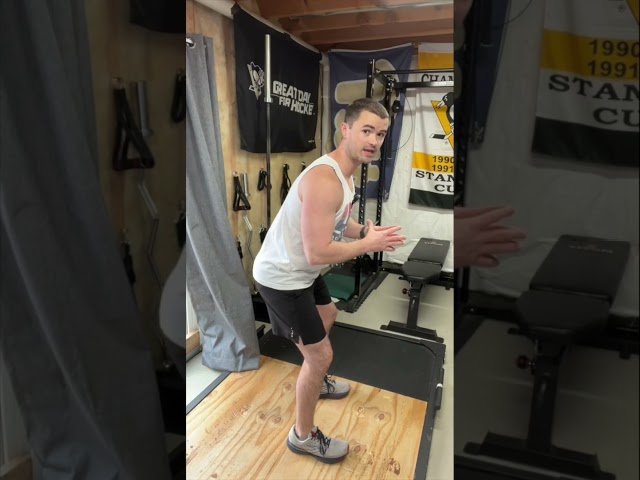
Bodyweight Squat form guide
- 1
Stand with feet shoulder-width apart.
- 2
Extend your arms forward for balance.
- 3
Brace your core and push your hips back.
- 4
Bend your knees and lower your body.
- 5
Go down until thighs are parallel or below.
- 6
Push through your feet to return to standing.
What are the best tips for the Bodyweight Squat?
Keep your weight in your heels.
Push your knees out over your toes.
Maintain a neutral spine.
Go as deep as your mobility allows.
When to Use the Bodyweight Squat
Use bodyweight squats as a warm-up before any leg session, as movement practice between sets, or as a conditioning tool in circuits. Program them for beginners learning squat patterns before adding load. They work well as a daily mobility drill to maintain squat depth.
What are common Bodyweight Squat mistakes to avoid?
Heels coming off the ground.
Changing your back position during the Bodyweight Squat can alter the movement and make the load harder to control. Brace your midsection and keep the torso position called for by the exercise.
Knees caving inward.
Letting your knees drift away from the intended line during the Bodyweight Squat changes how force moves through the exercise. Keep each knee tracking in line with the foot as you move.
Excessive forward lean.
Squatting patterns like the Bodyweight Squat coordinate the hips, knees, and feet. Keep those positions consistent and use a range you can control while your Quadriceps carries the intended load.
Cutting depth short.
Cutting the range of motion short on the Bodyweight Squat can reduce the training stimulus for your Quadriceps. Use the largest comfortable range you can control without changing the intended setup.
Is the Bodyweight Squat right for you?
All fitness levels looking to build strength and muscle definition.
Programming examples for Bodyweight Squat
These ranges illustrate ways to organize training. They are not an individual prescription. Adjust them for the exercise, your experience, and the rest of your program.
Strength15-20 reps
Heavier loads can be useful for developing maximum strength. The range shown is an example, and the load must match your current technique and capacity.
Muscle Growth20-30 reps
Muscle growth can occur across different loads and repetition ranges. This example is not a uniquely effective zone; your overall program and effort also matter.
Endurance30-50 reps
This is an example of a longer set. A repetition target alone does not establish joint safety or whether the exercise is appropriate for you.
Example: 3 sets of 15-20 reps. Rest 45-60s.
Background for resistance exercises: the 2026 ACSM position stand covers healthy adults, and a load-comparison review found similar muscle growth across loads in studies using sets taken to muscular failure. These findings do not validate every exercise-specific range shown here or require training to failure.
Where Bodyweight Squat fits in your workout
This is one example of how Bodyweight Squat could sit inside a complete workout. Your plan may use different movements after Ely checks your assessment.
Sample workout
- Squat or Leg Press4 × 8
- Romanian Deadlift3 × 10
- Bodyweight Squat3 × 12
- Calf Raise3 × 15
Use this exercise in Gym Mode
MySetPlan guides you set by set, times your rest, records your work, and tells you what to do next from the plan Ely approved.
Start My $19 WeekWhat are good alternatives to the Bodyweight Squat?
Other Variations
Want a plan you do not have to piece together?
Share your goal, schedule, equipment, and experience. Ely checks the complete exercise selection before he approves your week.
Start My $19 Starter Week$19 once · No automatic renewal · Delivered in 1–3 business days
Related Content
Safety Notes
- Focus on proper form before adding weight.
- Work on ankle and hip mobility.