General exercise guide
Rack Pull
Save
Primary
Back
Secondary
Traps, Glutes, Hamstrings
Equipment
Barbell
Difficulty
Intermediate
Type
Hinge
See how Rack Pull could fit a workout
The example below shows one possible placement. Your purchased plan is built from your assessment, and Ely checks every exercise before approving it.
One-time purchase · Checked by Ely · Delivered in 1–3 business days
This page is not medical advice or a rehabilitation protocol. Ely's personal review applies to purchased workout plans and does not replace an in-person assessment by a licensed healthcare professional.
Rack pulls start the deadlift from an elevated position, bypassing the hardest part of the lift from the floor. You can handle 20-30% more weight than your full deadlift, overloading your upper back, traps, and grip. When lockout is your weakness, rack pulls fix it.
Coaching Note
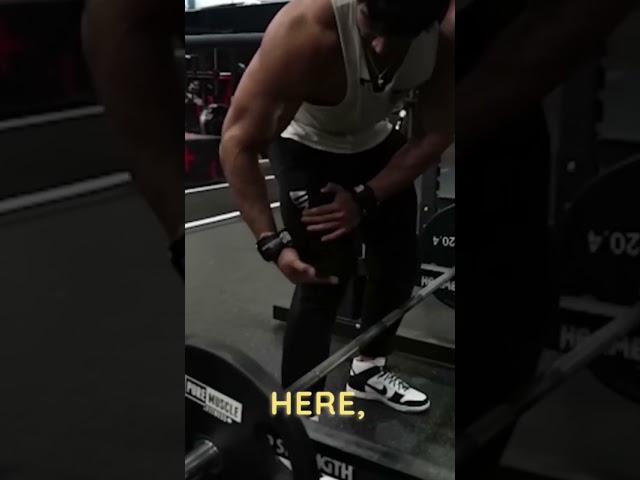
Set the pins at knee height or just below. The bar should not slam onto the pins—lower with control. Keep your lats engaged like you are protecting your armpits. This is heavy work; treat it with respect.
Muscles worked: Rack Pull
Why This Exercise Works
Rack pulls allow supramaximal loading compared to full deadlifts because the shortened range of motion bypasses the weakest part of the lift. The upper back and traps work intensely to maintain position against heavier loads. Grip strength is severely tested. The reduced hip flexion demand shifts emphasis from hamstrings and glutes toward the posterior chain muscles that control lockout.
Also targets: traps, Glutes, Hamstrings
Want Ely to consider Rack Pull for your plan?
Share your training details. Ely reviews the full week before anything is delivered.
Rack Pull form guide
- 1
Set safety bars at knee height or higher.
- 2
Position bar on safeties.
- 3
Grip bar and set your back.
- 4
Drive through legs and hips.
- 5
Lock out at the top.
- 6
Lower with control for optimal results.
What are the best tips for the Rack Pull?
Great for lockout strength.
Can go heavier than full deadlift.
Focus on upper back engagement.
Keep bar close for optimal results.
When to Use the Rack Pull
Use rack pulls after full deadlifts to overload the lockout or as your primary pull when your lower back needs a break. Program during strength phases when you want heavy loading. Once per week is plenty—they tax recovery.
What are common Rack Pull mistakes to avoid?
Rounding back which increases risk of spinal injury.
Not engaging lats for optimal results.
Hitching the weight.
Is the Rack Pull right for you?
Adults using the movement for general fitness who can perform it without pain. Clinical concerns require guidance from a licensed healthcare professional.
Programming examples for Rack Pull
The sets, reps, and rest times below are examples. Adjust them for your current ability, the exercise, and your total training. These ranges are not exclusive to one goal.
Example: 3-4 sets of 5-6 reps. Rest 2 minutes.
Muscle Growth
6-8 reps
Example rest: 90s-2min; extend as needed
Strength
3-5 reps
Example rest: 2-3min; extend as needed
Endurance
8-10 reps
Example rest: 60s; extend as needed
Where to Use in Your Workout
Position after your main deadlift work to overload the lockout, or use as your primary pull when managing lower back fatigue. The heavy loads tax recovery, so limit to once per week.
Sample Workout Blocks
Week 1: 4x5 @ RPE 7 | Week 2: 4x4 @ RPE 8 | Week 3: 5x3 @ RPE 8 | Week 4 (deload): 3x5 @ RPE 6
Want help choosing exercises, sets, and reps for your schedule? Ely reviews purchased plans before delivery.
Get Your Custom PlanWhere Rack Pull fits in your workout
This is one example of how Rack Pull could sit inside a complete workout. Your plan may use different movements after Ely checks your assessment.
Sample workout
- Lat Pulldown4 × 8
- Row Variation3 × 10
- Rack Pull3 × 12
- Face Pull3 × 15
Use this exercise in Gym Mode
MySetPlan guides you set by set, times your rest, records your work, and tells you what to do next from the plan Ely approved.
Start My $19 WeekWhat are good alternatives to the Rack Pull?
Other Variations
- Below-Knee Rack Pull
- Block Pull
Want a plan you do not have to piece together?
Share your goal, schedule, equipment, and experience. Ely checks the complete exercise selection before he approves your week.
Start My $19 Starter Week$19 once · No automatic renewal · Delivered in 1–3 business days
Related Content
Safety Notes
- Set safeties properly.
- Don't hitch weight.
- General fitness education only. This is not medical advice or a rehabilitation protocol. Stop if you feel pain, and follow a licensed healthcare professional for an injury, medical condition, or return after surgery.