General exercise guide
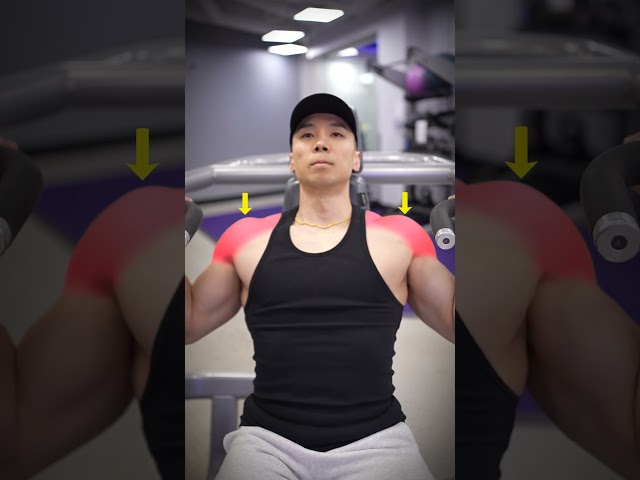
Machine Shoulder Press
Save
Primary
Shoulders
Secondary
Triceps
Equipment
Machine
Difficulty
Beginner
Type
Push
See how Machine Shoulder Press could fit a workout
The example below shows one possible placement. Your purchased plan is built from your assessment, and Ely checks every exercise before approving it.
One-time purchase · Checked by Ely · Delivered in 1–3 business days
This page is not medical advice or a rehabilitation protocol. Ely's personal review applies to purchased workout plans and does not replace an in-person assessment by a licensed healthcare professional.
The machine shoulder press provides a fixed pressing path that removes stabilization demands, letting you focus purely on pushing force. This makes it ideal for beginners learning movement patterns and advanced lifters training to failure safely. The guided motion protects your shoulders while allowing heavy loading.
When to use it
Use as your primary overhead pressing movement when shoulder stability is a concern, or as a secondary pressing exercise after dumbbell or barbell work. The guided path allows pushing closer to failure safely. Position early in push workouts when shoulders are fresh.
Who it's for
Beginners learning overhead pressing mechanics. Lifters with shoulder instability or past injuries who need a controlled pressing path. Advanced lifters using machine pressing for high-intensity techniques like drop sets.
Coaching Note
Adjust the seat so handles start at ear level, not shoulder level—starting too low stresses your shoulder joint. Press up and slightly forward, not straight up. The natural arc should feel smooth; if it feels forced, reposition the bench or try a different machine.
Muscles worked: Machine Shoulder Press
Browse all shoulders exercises
Also targets: Triceps
Want Ely to consider Machine Shoulder Press for your plan?
Share your training details. Ely reviews the full week before anything is delivered.
Machine Shoulder Press form guide
- 1
Adjust the seat height so handles are at shoulder level.
- 2
Sit back against the pad.
- 3
Grip the handles firmly with a secure, comfortable grip.
- 4
Press up until arms are extended.
- 5
Lower with control for optimal results.
- 6
Keep your back against the pad.
What are the best tips for the Machine Shoulder Press?
Great for beginners.
Machine guides the movement.
Focus on the press, not balancing.
Adjust seat properly.
When to Use the Machine Shoulder Press
Use machine pressing when you want to push hard without worrying about balance or when your stabilizers are fatigued from earlier free weight work. It excels for drop sets and rest-pause training where form breakdown would be dangerous with dumbbells. Choose it over free weights when shoulder stability is a concern.
What are common Machine Shoulder Press mistakes to avoid?
Seat too high or low.
Losing hip position during the Machine Shoulder Press changes the loading pattern and can reduce the intended work for your Front shoulders. Keep your hips aligned with the setup cues and move only through the range you can control.
Leaning forward which shifts the load incorrectly.
Loading more weight than you can control on the Machine Shoulder Press often creates compensations that shift work away from your Front shoulders. Reduce the load until each rep follows the intended path.
Using momentum instead of controlled muscle contraction.
Bouncing or using momentum during the Machine Shoulder Press makes the movement harder to control and can shift work away from your Front shoulders. Use a load you can move smoothly through the intended range.
Is the Machine Shoulder Press right for you?
Beginners learning overhead pressing mechanics. Lifters with shoulder instability or past injuries who need a controlled pressing path. Advanced lifters using machine pressing for high-intensity techniques like drop sets.
Programming examples for Machine Shoulder Press
The sets, reps, and rest times below are examples. Adjust them for your current ability, the exercise, and your total training. These ranges are not exclusive to one goal.
Example: 3-4 sets of 10-12 reps. Rest 90s.
Muscle Growth
10-12 reps
Example rest: 90s-2min; extend as needed
Strength
6-8 reps
Example rest: 2-3min; extend as needed
Endurance
12-15 reps
Example rest: 60s; extend as needed
Where to Use in Your Workout
Position as primary pressing movement for beginners, or after free weight pressing for advanced lifters. The fixed path makes machine pressing ideal for intensifiers like drop sets and rest-pause where form breakdown would be risky with free weights.
Sample Workout Blocks
Week 1: 3x12 @ RPE 7 | Week 2: 3x10 @ RPE 8 | Week 3: 4x8 @ RPE 8 | Week 4 (deload): 2x12 @ RPE 6
Want help choosing exercises, sets, and reps for your schedule? Ely reviews purchased plans before delivery.
Get Your Custom PlanWhere Machine Shoulder Press fits in your workout
This is one example of how Machine Shoulder Press could sit inside a complete workout. Your plan may use different movements after Ely checks your assessment.
Sample workout
- Overhead Press4 × 8
- Lateral Raise3 × 12
- Machine Shoulder Press3 × 12
- Face Pull3 × 15
Use this exercise in Gym Mode
MySetPlan guides you set by set, times your rest, records your work, and tells you what to do next from the plan Ely approved.
Start My $19 WeekWhat are good alternatives to the Machine Shoulder Press?
Dumbbell Shoulder Press
ShouldersDumbbellBeginner
Overhead Press (Barbell)
ShouldersBarbellIntermediate
Other Variations
- Single-Arm Machine Press
- Iso-Lateral Machine Press
Variation Details
Seated Machine Shoulder Press
Perform machine pressing while seated with full back support. This provides maximum stability and reduces core demand. Perfect for isolating your shoulders when you're fatigued.
Standing Machine Shoulder Press
Press while standing without back support. Your core works harder to stabilize you. This version is more demanding than seated pressing but still safer than free weights.
Dumbbell Shoulder Press
Press dumbbells instead of the machine. Requires more stabilization and allows independent arm movement. Builds more secondary muscle development.
Overhead Press (Barbell)
Use a barbell instead of the machine. Allows more weight and requires balance and stabilization. The barbell forces both arms to work together.
Machine Shoulder Press vs Other Exercises
Machine pressing is safer and allows more weight because the path is fixed. Dumbbell pressing requires more stabilization and activates more secondary muscles. Use machines when you want to lift heavy safely; use dumbbells when you want maximum muscle activation.
Barbell pressing allows slightly more total weight than machine pressing and demands more core stability. Machine pressing is safer and easier on joints. Both are excellent for shoulder development.
Want a plan you do not have to piece together?
Share your goal, schedule, equipment, and experience. Ely checks the complete exercise selection before he approves your week.
Start My $19 Starter Week$19 once · No automatic renewal · Delivered in 1–3 business days
Related Content
Safety Notes
- Adjust machine to fit.
- Control the weight.
- General fitness education only. This is not medical advice or a rehabilitation protocol. Stop if you feel pain, and follow a licensed healthcare professional for an injury, medical condition, or return after surgery.