General exercise guide
Hollow Hold
Save
Primary
Core
Secondary
Hip flexors
Equipment
Bodyweight
Difficulty
Intermediate
Type
Isometric
See how Hollow Hold could fit a workout
The example below shows one possible placement. Your purchased plan is built from your assessment, and Ely checks every exercise before approving it.
One-time purchase · Checked by Ely · Delivered in 1–3 business days
This page is not medical advice or a rehabilitation protocol. Ely's personal review applies to purchased workout plans and does not replace an in-person assessment by a licensed healthcare professional.
The hollow hold is a foundational gymnastics position that trains anti-extension through sustained isometric contraction. Creating the banana-shaped body position challenges your entire anterior core to resist gravity pulling your limbs down. This exercise transfers directly to handstands, levers, and other skills.
Coaching Note
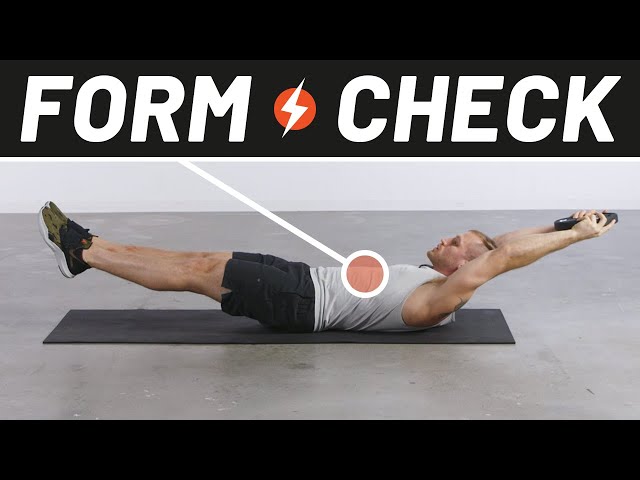
Lie on your back and lift your shoulders and legs slightly off the floor while pressing your lower back firmly into the ground. Extend your arms overhead. The key is keeping your lower back glued down—if it lifts, raise your legs higher to reduce difficulty. Hold and breathe.
Muscles worked: Hollow Hold
Why This Exercise Works
The hollow hold creates intense rectus abdominis and transverse abdominis activation through anti-extension. Unlike crunches that flex the spine, hollow holds train the abs isometrically while maintaining a posterior pelvic tilt. This position is foundational for gymnastics movements like levers and handstands.
Also targets: hip flexors
Want Ely to consider Hollow Hold for your plan?
Share your training details. Ely reviews the full week before anything is delivered.
Hollow Hold form guide
- 1
Lie on your back with arms extended overhead.
- 2
Lift your shoulders and legs off the ground.
- 3
Press your lower back firmly into the floor.
- 4
Create a banana or hollow shape.
- 5
Hold this position for optimal results.
- 6
Keep your core tight throughout.
What are the best tips for the Hollow Hold?
Lower back must stay on floor.
The closer to floor, the harder it is.
Keep arms and legs straight.
Breathe normally for optimal results.
When to Use the Hollow Hold
Use hollow holds as foundational core work for gymnastics progressions, or as a challenging alternative to planks. They build the specific core strength needed for advanced bodyweight skills. Progress by lowering limbs closer to the floor as strength improves.
What are common Hollow Hold mistakes to avoid?
Lower back lifting off floor.
Holding breath, which reduces blood flow and can cause dizziness.
Legs too high (too easy).
Is the Hollow Hold right for you?
Those pursuing gymnastics skills who need the hollow position. Intermediate core trainees ready for challenging isometric work beyond basic planks.
Programming examples for Hollow Hold
The sets, reps, and rest times below are examples. Adjust them for your current ability, the exercise, and your total training. These ranges are not exclusive to one goal.
Example: 3-4 sets of 30-45 seconds. Rest 45-60s.
Muscle Growth
30-45 seconds
Example rest: 90s-2min; extend as needed
Strength
20-30 seconds
Example rest: 2-3min; extend as needed
Endurance
45-60 seconds
Example rest: 60s; extend as needed
Where to Use in Your Workout
Include in core circuits or as gymnastics skill preparation. Progress by lowering limbs closer to the floor as strength improves.
Sample Workout Blocks
Week 1: 3x20s holds @ RPE 7 | Week 2: 3x30s holds @ RPE 7 | Week 3: 4x30s holds @ RPE 8 | Week 4 (deload): 2x20s holds @ RPE 6
Want help choosing exercises, sets, and reps for your schedule? Ely reviews purchased plans before delivery.
Get Your Custom PlanWhere Hollow Hold fits in your workout
This is one example of how Hollow Hold could sit inside a complete workout. Your plan may use different movements after Ely checks your assessment.
Sample workout
- Main Movement4 × 8
- Secondary Movement3 × 10
- Hollow Hold3 × 12
- Accessory Movement3 × 15
Use this exercise in Gym Mode
MySetPlan guides you set by set, times your rest, records your work, and tells you what to do next from the plan Ely approved.
Start My $19 WeekWhat are good alternatives to the Hollow Hold?
Other Variations
- Hollow Rock
- Weighted Hollow Hold
Want a plan you do not have to piece together?
Share your goal, schedule, equipment, and experience. Ely checks the complete exercise selection before he approves your week.
Start My $19 Starter Week$19 once · No automatic renewal · Delivered in 1–3 business days
Related Content
Safety Notes
- Keep lower back pressed down.
- Raise legs higher if too hard.