General exercise guide
Butt Kicks
CardioNo EquipmentBeginnerCardio
Save
Primary
Cardio
Secondary
Hamstrings, Calves, Quadriceps
Equipment
None
Difficulty
Beginner
Type
Squat
See how Butt Kicks could fit a workout
The example below shows one possible placement. Your purchased plan is built from your assessment, and Ely checks every exercise before approving it.
One-time purchase · Checked by Ely · Delivered in 1–3 business days
This page is not medical advice or a rehabilitation protocol. Ely's personal review applies to purchased workout plans and does not replace an in-person assessment by a licensed healthcare professional.
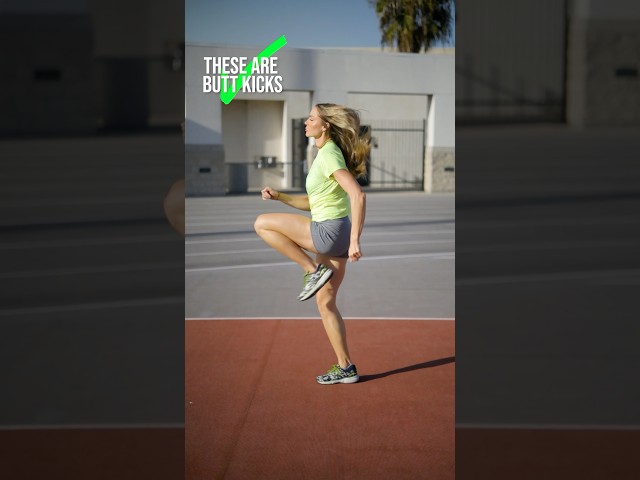
Butt kicks activate your hamstrings through rapid heel-to-glute contact while jogging in place. This dynamic drill prepares the knee flexion pattern used during the swing phase of running. Athletes use butt kicks to increase hamstring blood flow and neuromuscular readiness before sprinting.
Coaching Note
Focus on actively contracting your hamstrings to kick your heels up rather than just flicking your feet. Stay on the balls of your feet with an upright posture and pump your arms in a natural running motion.
Butt Kicks — targeted muscles
Why This Exercise Works
Butt kicks are a dynamic warm-up drill that activates your hamstrings through rapid knee flexion. By kicking your heels toward your glutes while jogging in place, you rehearse the hamstring contraction pattern used during the swing phase of running.
Your hamstrings have two main jobs during running: flexing your knee (bringing your heel toward your butt) and extending your hip (pushing your leg behind you). Butt kicks specifically train the knee flexion component, increasing hamstring recruitment before you run at faster speeds.
The drill also increases blood flow to your hamstrings and raises your heart rate gradually. This prepares the muscles for the high-speed contractions required during sprinting, where hamstring strains are common. Think of butt kicks as an insurance policy against pulls.
The movement requires minimal impact while providing significant muscle activation. This makes it safer than jumping drills while still effectively preparing your legs for activity. The quick cadence improves neuromuscular coordination and running mechanics.
Also targets: Hamstrings, Calves, Quadriceps
Want Ely to consider Butt Kicks for your plan?
Share your training details. Ely reviews the full week before anything is delivered.
How do you perform the Butt Kicks?
- 1
Stand tall with feet hip-width apart.
- 2
Jog in place, kicking your heels up toward your glutes.
- 3
Try to make contact between heel and glutes.
- 4
Pump your arms in a running motion.
- 5
Maintain quick, light footwork.
What are the best tips for the Butt Kicks?
Focus on hamstring contraction, not just kicking.
Stay on the balls of your feet.
Keep upper body stable and upright.
Start slow and increase speed gradually.
When to Use the Butt Kicks
Use butt kicks in dynamic warm-ups before running, sprinting, or lower body power training. Program 2-3 sets of 30-45 seconds within your movement prep sequence. They pair well with high knees for complete running warm-up.
What are common Butt Kicks mistakes to avoid?
Heels not reaching glutes.
Leaning too far forward.
Landing heavily on feet.
Arms not moving with legs.
Butt Kicks — who it's best for
Runners needing hamstring activation before faster-paced workouts, athletes warming up for explosive activities, and anyone doing dynamic warm-ups before lower body training.
Programming examples for Butt Kicks
The sets, reps, and rest times below are examples. Adjust them for your current ability, the exercise, and your total training. These ranges are not exclusive to one goal.
Example: 3-4 sets of 30-45 seconds. Rest 15-30 seconds between sets.
Muscle Growth
30-45 seconds
Example rest: 90s-2min; extend as needed
Strength
20-30 seconds
Example rest: 2-3min; extend as needed
Endurance
60-90 seconds
Example rest: 60s; extend as needed
Where to Use in Your Workout
Use during the dynamic portion of your warm-up, after light walking or jogging but before sprinting or intense running.
Sample Workout Blocks
Warm-up progression: 30 sec walk | 30 sec jog | 30 sec butt kicks | 30 sec high knees | 30 sec A-skips | Begin workout
Want help choosing exercises, sets, and reps for your schedule? Ely reviews purchased plans before delivery.
Get Your Custom PlanWhere Butt Kicks fits in your workout
This is one example of how Butt Kicks could sit inside a complete workout. Your plan may use different movements after Ely checks your assessment.
Sample workout
- Main Movement4 × 8
- Secondary Movement3 × 10
- Butt Kicks3 × 12
- Accessory Movement3 × 15
Use this exercise in Gym Mode
MySetPlan guides you set by set, times your rest, records your work, and tells you what to do next from the plan Ely approved.
Start My $19 WeekWhat are good alternatives to the Butt Kicks?
High Knees
CardioNo EquipmentBeginner
Jumping Jacks
CardioNo EquipmentBeginner
Jump Rope
CardioNo EquipmentBeginner
Other Variations
- Butt Kicks in Place
- Traveling Butt Kicks
- Slow Motion Butt Kicks
- Butt Kick Sprint
Want a plan you do not have to piece together?
Share your goal, schedule, equipment, and experience. Ely checks the complete exercise selection before he approves your week.
Start My $19 Starter Week$19 once · No automatic renewal · Delivered in 1–3 business days
Related Content
Safety Notes
- Warm up first with walking.
- Start at moderate pace.
- Stop if hamstring discomfort.